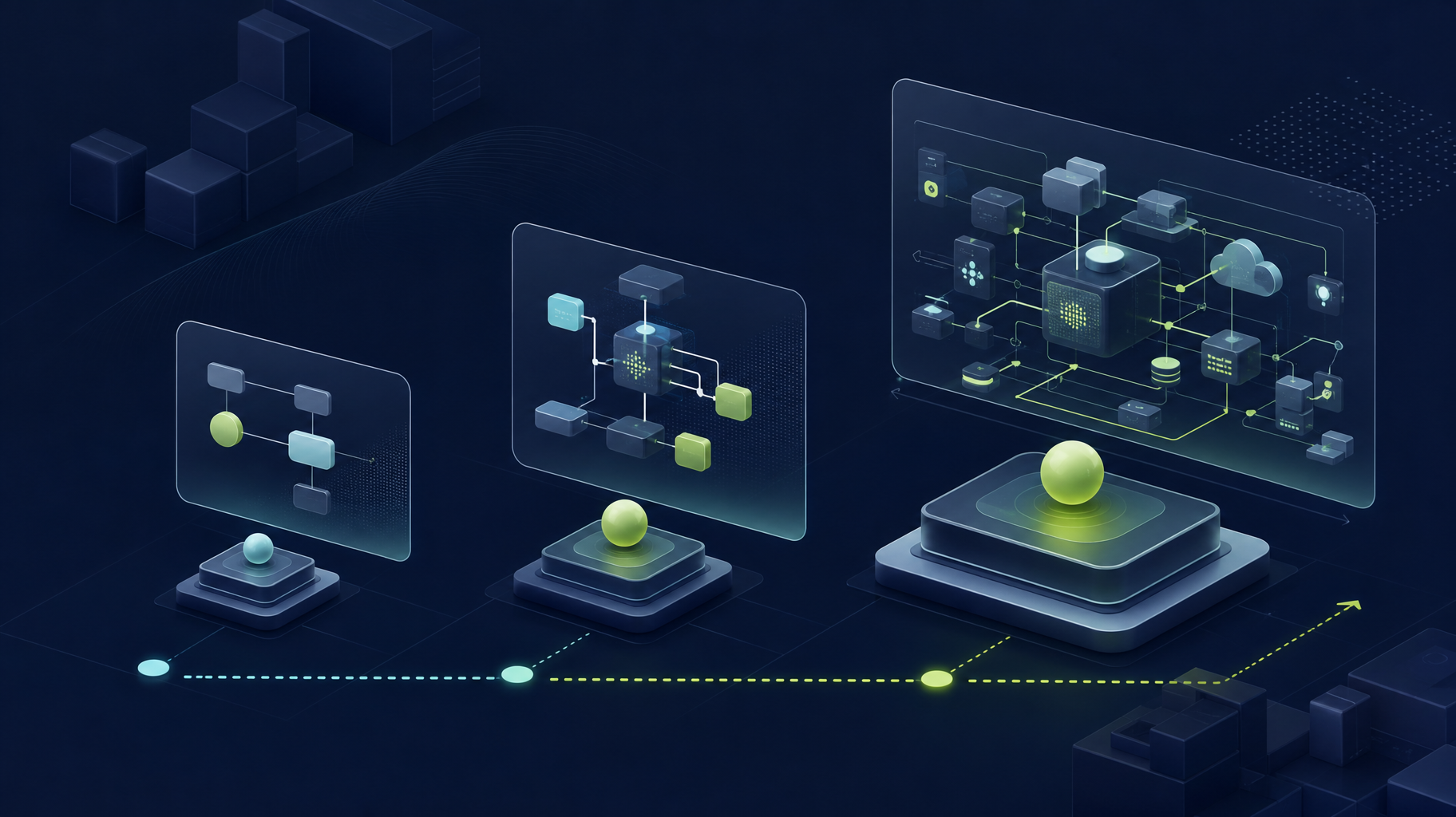
A prototype and an MVP solve different problems
AI prototyping tools have made it much easier to turn an idea into a screen, a click-through flow, or a working demonstration. That is valuable. It can help a founder explain a product, test an assumption, and avoid spending months on a feature users do not need.
The label covers different things: a clickable design mockup, a prompt-to-code experiment, and a no-code app are not interchangeable. They differ in where code and data live, what can be exported, how credentials are handled, and whether the result can support real operations. Treat the prototype type as part of the decision, not as a detail to resolve later.
But a prototype is not automatically a production MVP. The difference is not visual polish. It is whether real users can safely rely on the product to complete a valuable workflow.
The right choice depends on the milestone in front of you. If the question is “will users understand and want this?”, a prototype may be enough. If the question is “can we launch this with accounts, data, and support?”, you need a product build plan.
What each path is designed to prove
| Path | Primary purpose | Good evidence of success | What it does not prove by itself |
|---|---|---|---|
| AI prototyping tool | Explore an idea or demonstrate a flow | People understand the problem and complete the intended flow in a test | Security, reliability, maintainability, or production operating cost |
| No-code product builder | Launch a constrained workflow with platform conventions | A small audience can complete a low-risk process | Fit for every custom integration, ownership need, or high-complexity workflow |
| Development agency | Build a defined product that real users can operate | The core product loop works with data, permissions, integrations, QA, and deployment | Unlimited roadmap features or instant certainty about demand |
All three can be valid. Trouble begins when a team expects one path to provide evidence it was never meant to provide.
Use AI prototyping tools when learning is the job
Tools that accelerate design and code generation are useful for questions such as:
- Can a user understand the first screen and intended outcome?
- Which input and output make the product valuable?
- Does the workflow need a dashboard, a queue, a chat interface, or a form?
- Can a founder show the idea to potential customers or investors?
- Which assumptions should be tested before a fixed scope is written?
The goal is not to make the prototype look complete. The goal is to learn something specific quickly.
Keep the prototype narrow. Use representative but safe sample data. Name the hypothesis being tested. Record what users did, where they hesitated, and what they asked for. That work becomes valuable product input even if the later MVP uses different implementation choices.
Do not place production credentials, customer exports, regulated information, or privileged API tokens into an unreviewed prototype environment. If real data is essential to learning, establish the vendor controls, access boundaries, and reviewed environment before it is used.
Use a development agency when the product must survive real use
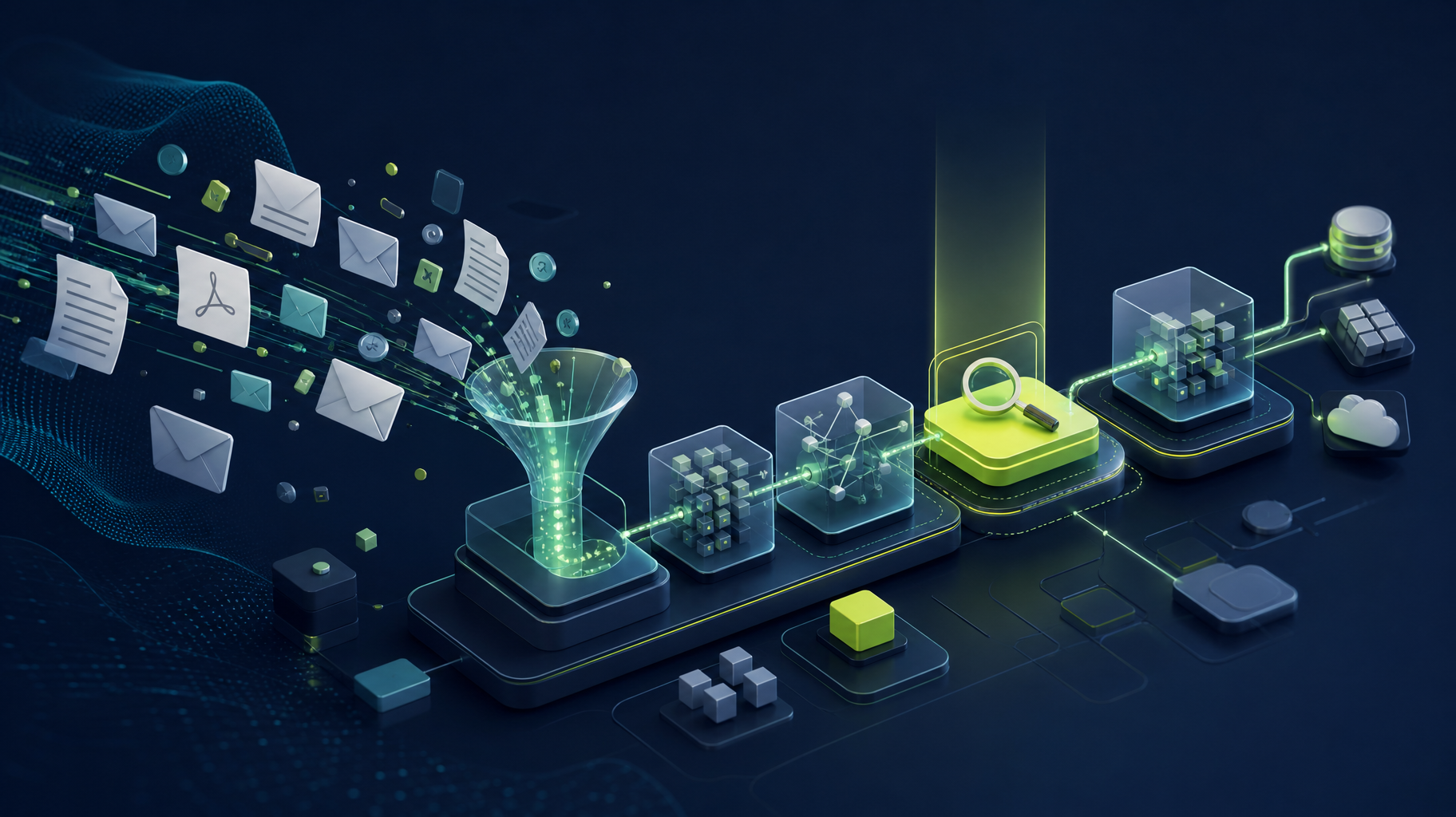
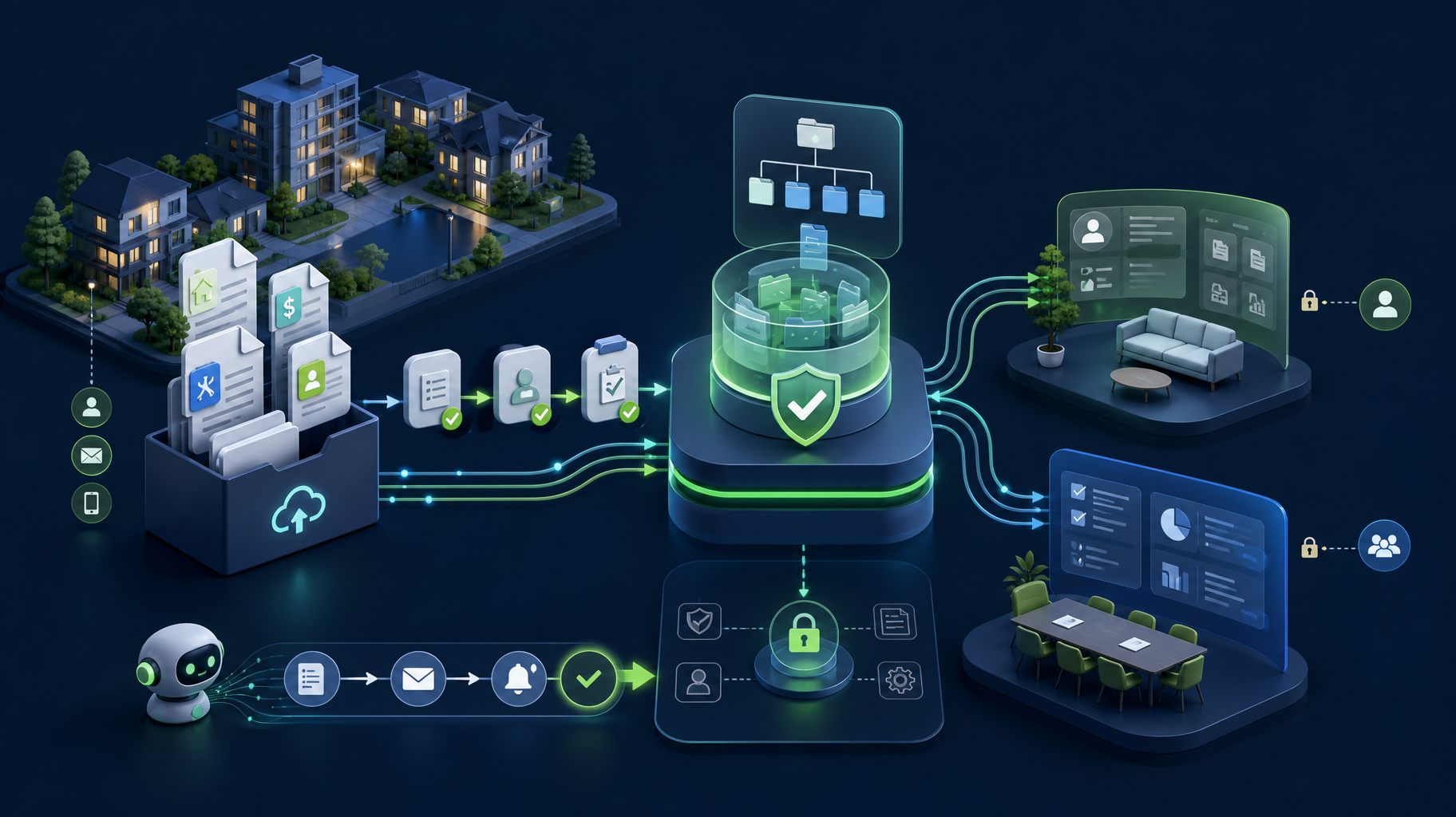
The moment a product takes on real users, the questions change. You now need answers about:
- Authentication, roles, and permission boundaries.
- Data storage, privacy, retention, and deletion.
- Payment, account, or subscription behavior where relevant.
- API integrations, retries, duplicate prevention, and failure states.
- AI data boundaries, quality review, model cost, and fallback behavior.
- Testing, logging, monitoring, deployment, rollback, and support.
- Repository access, documentation, and who can maintain the application later.
None of these are “enterprise extras.” They are what lets a small product operate without the founder manually repairing it behind the scenes.
For a deeper production-readiness checklist, read what has to change between an AI prototype and a production MVP.
Compare the paths by risk, not by hype
| Decision factor | Prototype first | Agency-led MVP first |
|---|---|---|
| Product uncertainty | The user, workflow, or value proposition is still unclear | The first product loop and buyer are already defined |
| Data and integrations | Safe sample data and little production access are needed | Real systems, accounts, or data are launch-critical |
| Time horizon | Days or weeks to learn | A fixed delivery plan for a launchable scope |
| Ownership | Early experimentation matters more than architecture | Code, infrastructure, documentation, and handoff matter now |
| Cost risk | Avoid funding features before demand is clearer | Avoid rebuilding a fragile demo after users depend on it |
| Team capacity | Founder can run tests and synthesize feedback | A decision owner can provide requirements, access, and timely reviews |
Do not use this table to declare a winner. Use it to decide which risk you need to reduce next.
The most efficient route is often sequential
Many founders benefit from a two-stage approach:
- Prototype the riskiest assumption. Test the core interaction, AI behavior, or buyer interest with a narrowly defined experiment.
- Write down the learning. Capture the first user, trigger, input, desired outcome, non-negotiable constraints, and features that were not needed.
- Scope the real product loop. Decide what the MVP must include to work for real users and what can wait.
- Build for production deliberately. Add the data model, permissions, integrations, QA, deployment, and operating path around the validated workflow.
This sequence does not mean copying a prototype line-for-line into the MVP. In fact, preserving an early implementation can be more expensive than using it as a clear specification for a maintainable build.
Before handoff, record the hypothesis, tested flow, observed behavior, sample data rules, non-negotiable requirements, rejected features, code-repository access, dependencies, credentials, and licenses. A production team can then decide what is safe to reuse after review instead of assuming that every prototype artifact belongs in the launch codebase.
Questions to ask before choosing a path
Ask these before you decide between an AI builder and an agency:
- What one user action should the first version make possible?
- Are we trying to validate demand or launch an operational product?
- Will the product need real accounts, payments, sensitive data, or third-party integrations?
- What happens when a request, model call, or integration fails?
- Which features are essential to the first user outcome, and which are simply ideas for later?
- Who needs to own the source code, deployment accounts, and future roadmap?
- What evidence will tell us that the first version succeeded?
If the answers are vague, do a smaller validation exercise. If the answers are specific, a scoped MVP can be more efficient than another round of prototypes.
How Somnio fits
Somnio’s AI MVP development package is for teams that need a launchable product loop rather than an open-ended feature list. The published package starts at $20,000 when the requirements fit a focused 12-week scope. It includes planning, Laravel and Vue.js or PWA development, selected AI and API integrations, QA, deployment, and source-code handoff; final scope depends on the approved workflows, integrations, data requirements, and exclusions. The comparison is really between a prototype tool and an accountable production engineering function, whether that function is supplied by an agency, an internal team, or a qualified technical lead.
That path is not a fit for every idea. If the user, workflow, or AI behavior is still uncertain, the right first step may be a functional prototype or an architecture consultation that converts uncertainty into a buildable plan. For the delivery and ownership questions that follow validation, see Somnio’s AI-assisted development process and fixed-price and IP ownership policy.
Bottom line
Use AI prototyping tools to learn quickly. Use a development agency when the validated idea needs to become a dependable product for real users. The best decision is not tool versus team; it is choosing the smallest next step that reduces the most important risk without pretending a demo is already a production system.